If you buy from three suppliers in three cities, the default outcome is three shipments, three freight invoices and three chances for a carton to go missing. Consolidation fixes that — but only if the volume and the timing fit.
The economics
| Volume | Usual recommendation | Why |
|---|---|---|
| Under 2 CBM | Air / express | Sea destination charges can exceed the saving. |
| 2–15 CBM | LCL consolidation | Shared container, one set of documents. |
| 15 CBM+ | 20ft FCL | Lower unit cost, less handling. |
The break-even is not just volume. It is also timing: if one supplier is three weeks late, the container waits and you pay storage. Consolidation rewards suppliers who can hit a window.
The operational steps
- Book the window. Set a cargo-ready date and a cut-off, and tell every supplier in writing.
- Collect. Pick up from each factory or have them deliver to the warehouse. Track each delivery against the packing list.
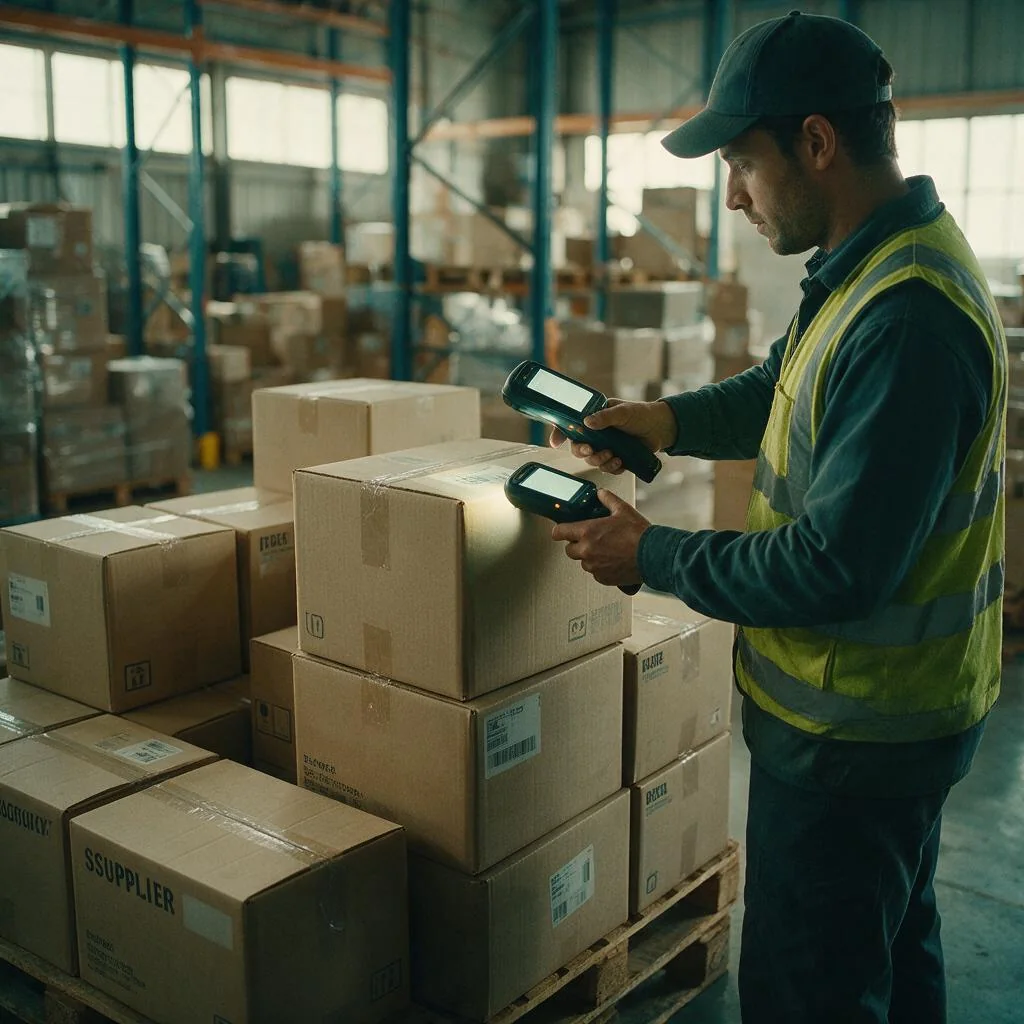
- Receive and check. Carton count, SKU, damage photos and a discrepancy report within 24 hours.
- Re-pack and label. Retail-ready packs, labels, inserts, palletisation and stretch-wrap.
- Inspect. Sample each supplier's lot before it is loaded, not after.
- Document. One commercial invoice and packing list, consolidated by SKU and supplier.
- Load. Photos of the container, seal number and a loading plan.
What goes wrong
- Missing cartons. A supplier ships 99 of 100 and nobody checks at receiving.
- Label mismatch. The wrong SKU label goes on the right product.
- Timing. One late supplier holds the whole container.
- Documentation. The consolidated invoice does not match the packing list.
- Damage. Mixed cartons are stacked without a loading plan.
What to insist on
A named warehouse contact, a receiving report with photos, a carton-level packing list, and a single point of responsibility for the consolidated shipment. If each supplier books its own freight, you do not have consolidation; you have three shipments with a shared story.
Buying from several suppliers? See consolidation or send your supplier list.