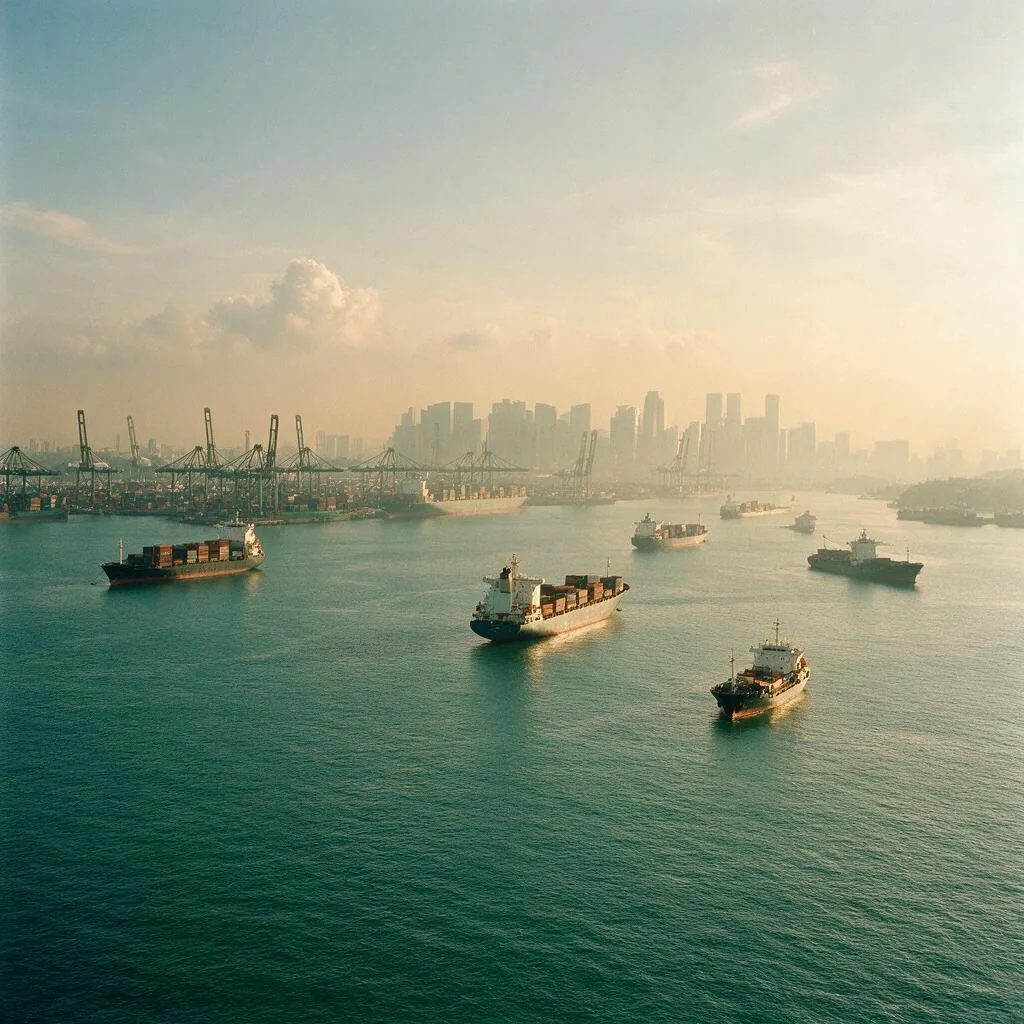
Singapore is the region's consolidation and re-export hub: English-language documentation, a free port, and a short sail from southern China. It is also a GST jurisdiction with controlled-goods rules. A landed cost that ignores the 9% GST line or the safety mark is not a landed cost.
What Singapore buyers ask us to fix
- TradeNet declarations, UEN and importer details before the vessel leaves China.
- 9% GST on import, and whether the Major Exporter Scheme or another suspension applies.
- Controlled goods that need a safety mark, IMDA registration or another permit.
- Consolidation for regional distribution, re-export and free-trade-zone handling.
- A payment structure that does not tie up the buyer's cash for the full transit and stock cycle.
The 9% GST line
Import GST is normally 9% of the customs value plus duty, freight and insurance. It is a cash-flow item, not a procurement fee. If you are GST-registered you may be able to claim it; if you are not, it is a real cost. The Major Exporter Scheme can suspend import GST on non-dutiable goods for approved exporters and re-exporters, but approval is not automatic and the goods still have to be declared correctly.
Controlled goods and marking
| Area | What to check before shipment |
|---|---|
| Consumer electrical / gas | Whether the item is a controlled good under the CPSR and needs a safety mark registered with Enterprise Singapore. |
| Telecom / wireless | IMDA equipment registration and the correct label for the model. |
| Medical devices | HSA classification, registration and dealer licence where applicable. |
| Food | SFA importer licence, labelling and, for certain products, prior approval. |
| Dutiable goods | Alcohol, tobacco, motor vehicles and petroleum products are not duty-free; confirm the rate and permit. |
Last updated 18 November 2026. Figures are indicative and confirmed in writing after scoping.