Canada is not a smaller version of the United States. It has its own border agency, its own tax line, bilingual labelling rules and provincial electrical requirements. A US customs broker cannot simply file a Canadian entry, and a US label is not a Canadian label.
What Canadian buyers ask us to fix
- CBSA and CARM registration, business number and release-before-payment security.
- GST or HST at the provincial rate, shown separately from duty and our fee.
- English and French labelling for consumer products, not a sticker added at the warehouse.
- ISED certification for radio equipment and the correct certification mark for electrical goods.
- ISPM 15 wood packaging and a landed cost that includes rail from the port.
The tax line is provincial
Canada has no free-trade agreement with China, so most goods pay the most-favoured-nation duty rate for their tariff item. On top of duty, GST is 5%, while HST combines the federal and provincial portions at 13% to 15% depending on the province. British Columbia, Saskatchewan, Manitoba and Quebec apply separate provincial taxes. The province of delivery usually decides the rate, not the port of entry.
Compliance file we assemble
| Area | What to check before shipment |
|---|---|
| Consumer labelling | English and French on the label, packaging and instructions where federal consumer labelling rules apply. |
| Electrical | A recognised certification mark for the product and the province; provincial authorities enforce the mark. |
| Radio / wireless | ISED certification and the correct label for the exact model. |
| Medical / health | Health Canada classification and licence where applicable. |
| Food | CFIA requirements, labelling and prior notice where applicable. |
| Wood packaging | ISPM 15 treatment and marking for crates and pallets. |
Logistics
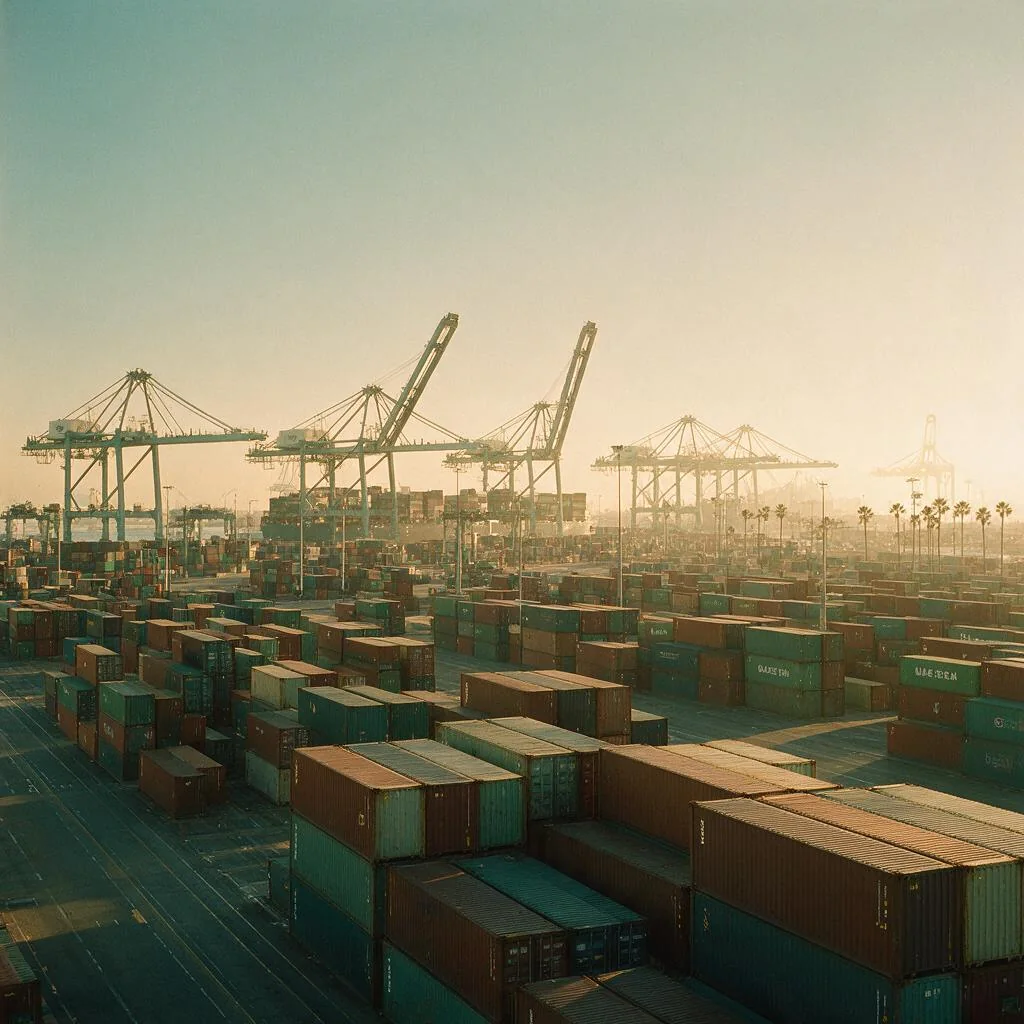
Vancouver and Prince Rupert are the main Asia gateways, typically 14–18 days from Shanghai or Ningbo. Montreal and Halifax are usually 30–40 days via Panama or Suez. Rail to Toronto, Calgary or Montreal is quoted with the port pair so you can compare door-to-door. We show terminal, rail and truck costs separately from duty and our fee.
Last updated 18 November 2026. Figures are indicative and confirmed in writing after scoping.